Transform Your Concepts Into Tangible Results With Expert Printing Services
Transforming thoughts into tangible products is a task often overlooked. Professional printing services offer a fix through advanced technology and expertise. They guarantee high-quality prints that resonate with a brand's identity. Conversely, selecting the right options and mastering the nuances can be challenging. Exploring the benefits and strategies of these solutions exposes how they can elevate one's dreams. The succeeding phases in this journey may contain the key to accomplishing substantial results.
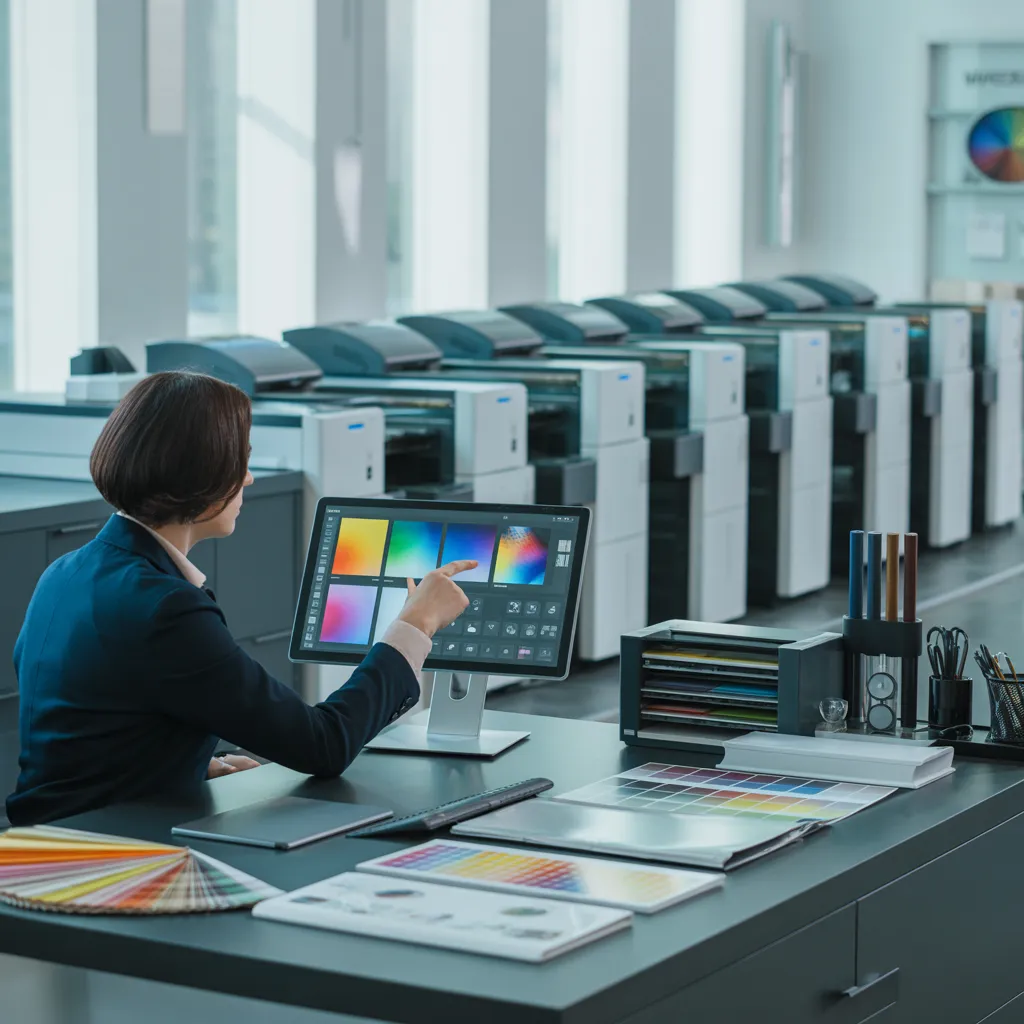
Why Choose Expert Printing Solutions
Professional printing services offer a range of perks that can substantially boost the standard and effectiveness of printed materials. These operations provide access to advanced technology and equipment, confirming high-resolution prints that are professional and vibrant in appearance. By leveraging specialized techniques, such as offset or digital printing, businesses can achieve a sophisticated finish that enhances their branding efforts.
Moreover, experienced print professionals often demonstrate proficiency in color management and substrate selection, which can substantially shape the final product. This understanding allows for standardization across multiple prints, producing a cohesive visual identity. Additionally, contracting print services can reduce time and expenses, facilitating individuals and businesses to concentrate on their core operations.
Finally, professional printing services often provide advice on design and layout, ensuring that the final product meets the client's expectations. Overall, these advantages help produce compelling print products that effectively communicate messages and engage audiences.
Selecting the Best Print Choices for Your Assignment
Choosing the correct printing selections for a assignment can significantly impact its success. Numerous aspects must be evaluated, encompassing the classification of medium, printing approach, and finish. For instance, choosing between digital and offset printing depends on the amount and difficulty of the assignment. Digital printing is suitable for brief production runs, while offset printing shines in larger quantities and quality consistency.
Additionally, the choice of paper grade can affect the final look and feel of the printed product. A glossy finish might intensify color tones, whereas matte can provide a more subdued presentation. Furthermore, options like binding and sizing should fit with the project's objective and target audience.
Ultimately, evaluating these elements ensures that the selected printing choices not only satisfy the project's requirements but also align with the desired communication, thereby enhancing its overall effectiveness and attractiveness.
Print Design: Pointers for Supreme Impact
Effective layout for print copyrights on the power of visual communication. To accomplish optimal results, creatives must emphasize legibility and simplicity. Using a limited color palette can enhance linked resource brand recall while guaranteeing that the message is distinctive. High-quality images are crucial, as pixelation can diminish professional appearance.
Typography holds significance; determining legible typefaces and suitable measurements validates that text is plainly legible. Designers should also sustain a clear hierarchy, moving the viewer's eye from the most important information to supporting details.
White space is not just blank; it enhances readability and lets key elements stand out. Consistency throughout the design, from colors to fonts, reinforces branding and builds a cohesive look. Finally, considering the printing process early in design can prevent issues and optimize the final product. By implementing these strategies, designs can effectively communicate messages and leave a lasting impression.
Primary Expense Considerations for Professional Printing Operations
Comprehending the cost factors in professional printing is crucial for anyone looking to produce superior materials. Multiple factors impact the total cost, such as the paper choice selected, the complexity of the design, and the printing method selected. Premium paper choices can substantially raise costs, while special finishes, such as gloss or matte, create additional expense.
Additionally, the scale of the print run represents an important consideration; larger quantities often capitalize on economies of scale, reducing the per-unit cost. The turnaround time can also impact pricing, as expedited services typically incur higher fees.
Finally, any additional options, such as binding, trimming, or custom packaging, will influence the overall cost. By recognizing these factors, clients can reach informed conclusions and adapt their projects to fit their budget while achieving the desired quality.
Success Tales: Turning Ideas Through Print
Converting ideas into tangible products can be a powerful experience, and many organizations have efficiently leveraged professional printing services to raise their brand presence. One exceptional success story involves a small handmade bakery that sought to enhance its packaging. By collaborating with a regional printer, they developed custom-designed boxes that reflected their brand's aesthetic. The result was an increase in consumer response and sales.
Yet another example is a tech startup that sought marketing tools for a product launch. They implemented vibrant brochures and eye-catching banners crafted through professional printing. These materials not only captured attention but also portrayed the brand's innovative spirit, leading to robust advance purchases.
These stories exemplify how quality print services can reshape concepts into powerful visual content, finally driving business growth and creating lasting impressions. Each milestone emphasizes the strength of printed communication to express a brand's identity competently.
Often Asked Questions
What Types of Files Are Supported for Printing?
Many formats are accepted for print operations, such as PDF, JPEG, TIFF, and PNG. Each file type fulfills specific purposes, with PDFs favored for high-quality text and graphics, while JPEGs and PNGs excel in digital images.
How much time does the printing process typically require?
The printing method customarily takes between a few hours to several days, based on the complexity of your project, the number of prints needed, and the services used by the printing company.
Can I Ask for a Demo Before Committing to a Large Order?
Yes, most print vendors allow patrons to seek trial samples before initiating sizeable purchases. This facilitates guarantee gratification with performance and presentation, allowing adjustments if necessary to comply with specific criteria before the final purchase is confirmed.
What if I require to make modifications following uploading My Design?
If alterations are needed after submitting a design, clients should get in touch with the printing service in a timely manner. Most providers permit modifications within a certain timeframe, guaranteeing adjustments can be made before final production begins.
Are there environmentally conscious print options offered?
Yes, environmentally conscious printing options are offered. Many businesses offer sustainable products, such as post-consumer waste paper and plant-derived inks, minimizing ecological footprint while preserving standards. Clients are invited to inquire about these choices when submitting their requests.